
Views: 0 Author: Site Editor Publish Time: 2025-12-29 Origin: Site
When it comes to home improvements, upgrading or installing a door light switch is one of the most straightforward and effective ways to enhance the convenience and functionality of your home. A door light switch allows you to turn on or off the light when entering or leaving a room, providing increased ease of use and energy efficiency. It is an especially helpful addition for high-traffic areas like hallways, bathrooms, or garages, where it might be inconvenient to flip the regular light switch when your hands are full.
Before you begin the installation, it’s important to gather all the necessary tools and materials. Here is a list of items you’ll need:
Door Light Switch (make sure it's the correct type for your setup)
Screwdriver (Phillips and flathead)
Wire Strippers
Electrical Tape
Voltage Tester
Wire Nuts
Drill and Drill Bits (for mounting)
Electrical Box (if one is not already in place)
Level (to ensure the switch is mounted straight)
Tape Measure
Pencil (for marking the installation area)
Having all these tools and materials ready before you start the installation will help you avoid any interruptions during the process.
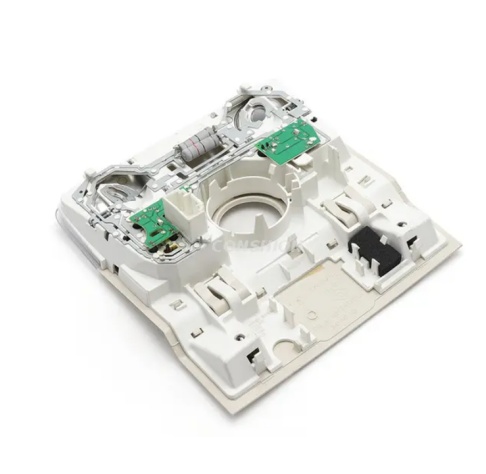
Before starting any electrical work, safety should be your top priority. The first and most important step in installing a door light switch is to turn off the power at the circuit breaker panel. Working with electricity can be dangerous, and ensuring that the electrical circuit is completely de-energized is crucial to avoid electrical shocks or damage.
Locate the breaker that controls the circuit for the existing light switch or the new switch you plan to install. Flip the breaker to the “off” position to completely disconnect power to the circuit. Double-check by using a voltage tester on the existing switch or electrical box. A voltage tester will help confirm that there is no electrical current running through the circuit, ensuring that the installation process will be safe.
Once you’ve turned off the power, the next step is to choose the ideal location for the door light switch. The switch should be placed where it is easily accessible and functional for everyday use. Typically, light switches are installed about 48 inches above the ground, which is the standard height that makes it convenient for most adults to reach.
For the door light switch, you’ll want to place it near the entrance of the room or hallway so that it’s easy to access when you enter or exit the space. Consider the layout of the room and ensure the switch will be within reach, especially if you are entering the room with hands full or carrying items. The goal is to place the switch where it will be most practical, so think about daily traffic patterns in your home.
With your location marked, the next step is to prepare the wall for the installation of the electrical box that will house the door light switch. If an electrical box already exists in the area for a previous switch, you can reuse it as long as it’s in good condition. However, if no box is currently in place or if you need to add a new one, you’ll need to install an electrical box to hold the switch securely.
Using a drill and appropriate drill bit, you’ll need to create holes in the wall that fit the size of the electrical box. If you are installing the switch into drywall, make sure to carefully measure and cut the opening to accommodate the box. If you're working with wood or another type of material, use the right bit size to drill a hole that allows the box to fit snugly.
It’s important to make sure the box fits securely in the wall without any gaps. This ensures that the switch is held firmly in place and doesn’t shift once installed. For new electrical boxes, follow the manufacturer's instructions for proper mounting. Many boxes come with screws that allow you to secure them directly to the wall studs, providing extra support.
Once the electrical box is mounted securely, the next step is preparing the wiring for the door light switch. If you are adding a new switch to an existing circuit, you may need to run new wires from the power source to the switch box. This step can involve stripping and connecting the wires to ensure the system is wired correctly and safely.
Next, you will need to run the wires from the power source to the electrical box. Typically, this involves extending the existing wiring from the light fixture or junction box to the new switch location.
Use wire strippers to strip back the insulation on the wires, exposing about 3/4 inch of copper for connections. Carefully route the wires through the electrical box and leave some extra length for the switch connections. If you're unfamiliar with how to run electrical wires safely, it's a good idea to consult an electrician for advice.
With the wiring in place, you can begin connecting the door light switch. Most modern light switches have two terminals for connecting wires: one for the hot (live) wire and one for the neutral wire.
Hot (Live) Wire: This wire carries the electrical current from the power source to the light. Connect the hot wire to the terminal on the switch labeled for the live connection.
Neutral Wire: This wire completes the electrical circuit and carries the current back to the power source. It may need to be connected to a different terminal on the switch or directly to the neutral bus bar in the electrical box, depending on your setup.
If you’re working with ground wires, connect them to the ground terminal on the switch or the metal electrical box. Use wire nuts to securely connect the wires, and wrap the connections with electrical tape to ensure safety.
Once the wiring is securely connected to the switch, carefully position the switch into the electrical box. Use screws to attach the switch to the box, ensuring that it is level and tightly secured. Check that the wires are properly tucked inside the box to avoid any contact with the switch or the box cover.
Once the switch is mounted securely, the next step is to install the switch faceplate. This will cover the electrical components and provide a neat and professional appearance. Simply align the faceplate with the screw holes and secure it in place with the screws provided.
With the installation complete, it's time to restore the power at the circuit breaker. Turn the power back on and test the door light switch by flipping it to the "on" position. Ensure that the light turns on and off as expected. If the switch doesn’t work, double-check the wiring connections to ensure they are secure.
Safety First: Always follow safety guidelines when working with electricity. If you are unsure about any step, consider hiring a licensed electrician to assist with the installation.
Label Your Wires: If you’re working with multiple wires, label each one to avoid confusion and mistakes during installation.
Choose a Quality Switch: Select a high-quality door light switch that suits your needs and complements your home’s decor. Consider features such as dimming capabilities or smart home integration.
Installing a door light switch is a simple yet highly effective way to enhance the functionality and energy efficiency of your home. By following the steps outlined in this guide, you can ensure a smooth installation process and enjoy the convenience of a door light switch for years to come. Whether you’re looking to replace an old switch or install a new one for the first time, these steps will help you achieve a professional and secure installation.
At www.conshion.com, we specialize in providing high-quality door light switches and other electrical solutions designed to improve your home’s energy efficiency and convenience. If you need further assistance or want to learn more about our products, feel free to reach out to us. Our team is here to provide expert advice and the best solutions for your home lighting needs. Let us help you brighten your home with the latest in energy-efficient lighting technology.


